
You painted the room a soft greige because every list told you it was the safe choice. It went on looking muddy. Not warm, not crisp. Just dirty.
That isn’t bad taste. It’s a predictable clash between the paint’s undertone and the light hitting the wall.
Greige goes wrong for one reason: the undertone reads against the light, not with it. Fix the relationship between those two things and the same color family looks clean.
What “undertone” actually means
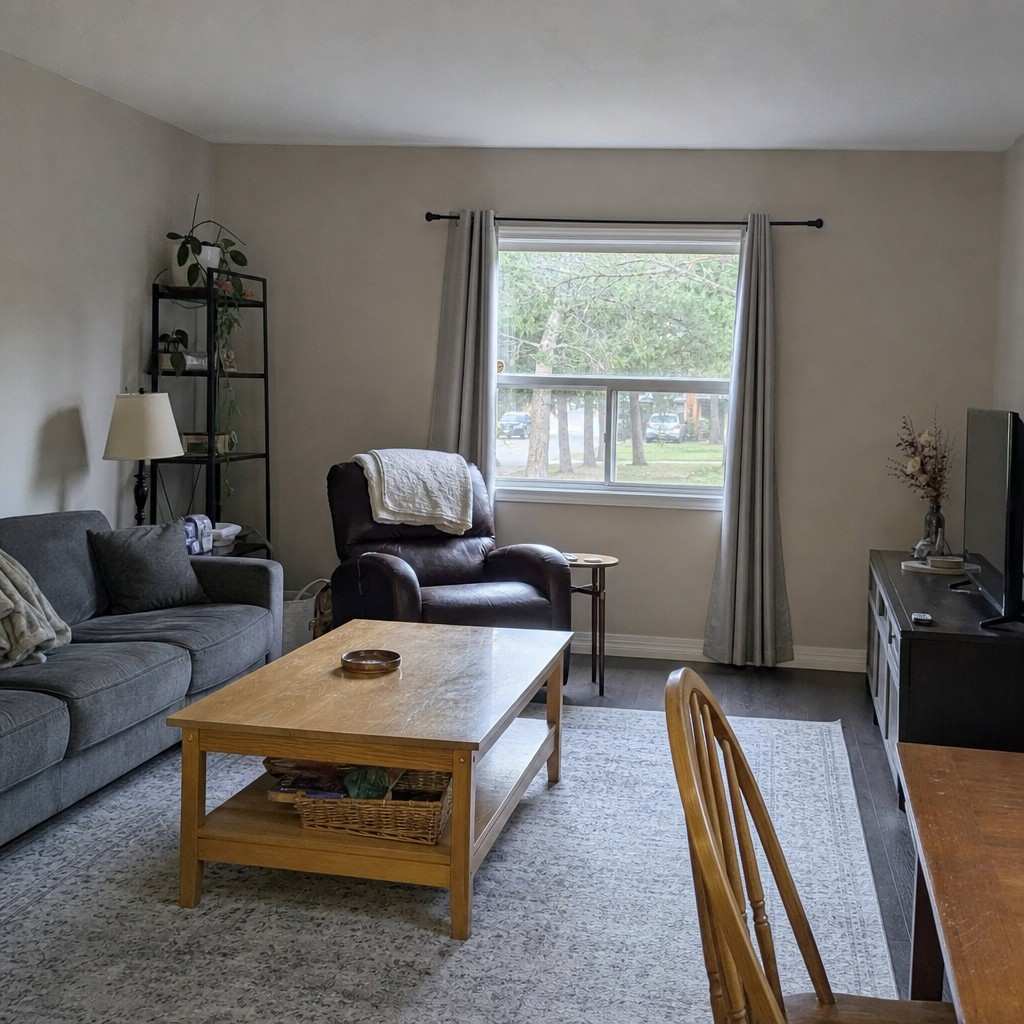
Every gray-beige has a bias hiding under the surface color. Lean one way and it’s a warm greige with a pink, yellow, or green base. Lean the other and it’s a cool greige sitting on blue or violet.
Paint manufacturers build their neutrals around exactly this idea. Benjamin Moore, for instance, groups its colors by their underlying warm or cool families rather than by the surface name, because the undertone is what you actually live with.
The chip in the store almost never shows it. Undertone only surfaces at scale, on a whole wall, under your light.
Greige gets recommended because it’s safe, but safe is why it falls flat. The trick isn’t the color, it’s the undertone.
Why your light is the real variable
Here is the part the swatch can’t tell you. The “color” of daylight is not fixed. It shifts through the day and changes which undertone the paint shows back.
Light is measured on a color-temperature scale in kelvin, and the numbers run backwards from how we talk. According to the reference on color temperature, a lower kelvin value is the warmer, more orange light, and a higher value is the cooler, bluer light.
That matters in a room more than almost anything else you choose.
- North-facing rooms get cool, blue-leaning daylight. It pushes a warm greige toward muddy and can make a cool one look gray and flat.
- South-facing rooms get warm, generous light that flatters most undertones and can tip a cool greige slightly green.
- East and west rooms swing hard between warm morning or evening light and cooler midday, so a greige there is two different colors a day.
A warm gray sitting in cool north light is the classic “dirty” result. The paint is doing nothing wrong. The light is just revealing an undertone that has nowhere to hide.
The test that saves you a repaint
You don’t read undertone off a tiny chip. You read it big, in place, over a day.
- Buy a sample pot, not just a card. Paint a two-foot square, two coats, and let it dry fully. Wet paint and one thin coat both lie.
- Put it next to a true white. A sheet of printer paper is enough. Against real white, the bias jumps out: you’ll see the pink, the green, the blue you couldn’t name before.
- Look at it morning, noon, and after dark with the lamps on. If it only reads clean at one time of day, it’s the wrong undertone for that room.
- Judge it on the wall it’s going on, not the brightest wall. The darkest corner is where a muddy undertone shows first.
Name the reason a room feels off before you reach for the fix.
That one square of sample paint is the cheapest insurance in decorating. It costs a few dollars and an afternoon. A full repaint costs a weekend and a second can.
Matching the greige to the room
Once you can see the undertone, the choice gets simple. You’re not hunting for the “best” greige. You’re matching its bias to your light.
Cool, north-facing rooms want a warmer greige to put back the warmth the light strips out. A base of soft yellow or a barely-there pink keeps it from going gray and grim.
Warm, south-facing rooms can take a cooler greige without looking muddy, because the generous light carries it. A blue or violet base reads as crisp and modern here, where it would look cold up north.
Rooms that swing east to west are happiest with a balanced, low-bias greige. The less committed the undertone, the less it lurches between morning and evening.
Your bulbs are part of this too. A warm-white bulb around 2700K pulls a paint warmer after dark; a cool daylight bulb near 5000K pushes it bluer. If you fight the room’s natural light all day, your bulbs are the lever you actually control at night.
The takeaway
Greige isn’t a failed trend. It’s a color family that asks one honest question most guides skip: which way does the undertone lean, and does that lean work with your light or against it?
Read the undertone against true white, in the room’s own light, before you commit. Do that and “safe” greige stops looking dirty and starts looking exactly as considered as the lists promised.
Good design is mostly decisions about light, color, material and proportion, not money. A greige that works is just one of those decisions made on purpose.