
Walk into a paint department with a fresh project in mind and the product selection starts to feel like a test. Specialty rollers, cutting guides, tray liners, five-in-one tools, extender poles. The implication is that you need most of this to get a good result.
You don’t.
A well-painted room needs four things: the right roller, a good angled brush, painter’s tape, and drop cloths. Everything else is optional at best and a distraction at worst. Buying more than this before you’ve started is the move that leads to a cart full of products and a paint job that still looks amateur.
The roller: where to spend and where not to
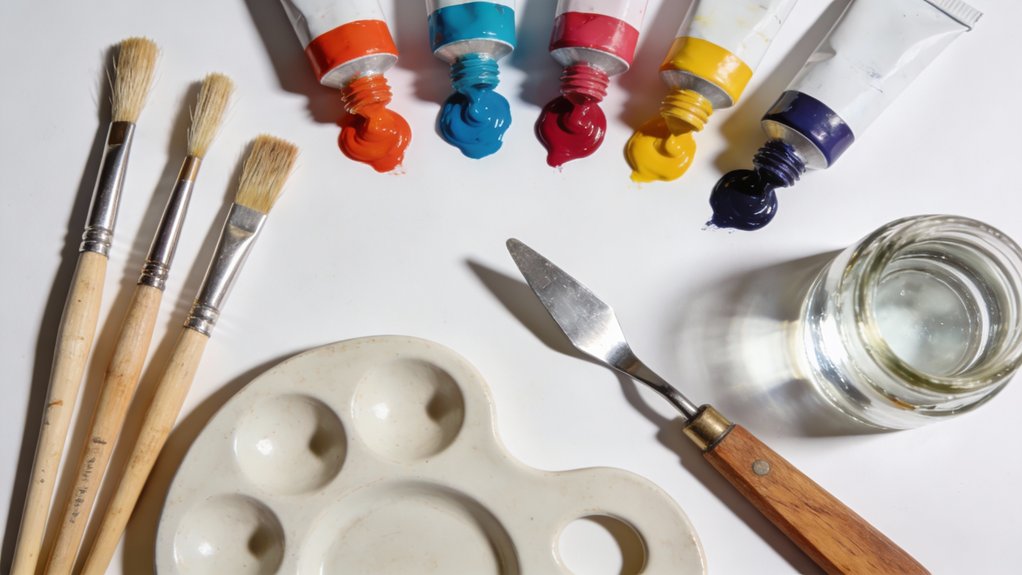
The roller is the tool that covers most of the wall, which makes it the most important one.
Two decisions matter: the frame and the cover.
A wire roller frame with a comfortable grip is worth buying once and keeping. The cheap ones flex, which creates uneven pressure and streaky walls. A decent frame is about fifteen dollars and lasts for years.
The cover is disposable and the spec matters. For standard smooth-to-slight-texture walls with latex paint, a 3/8-inch nap roller cover is the working choice. Thinner nap (1/4 inch) gives a smoother result on very smooth walls; thicker nap (1/2 inch or more) is for textured or rough surfaces. Using the wrong nap for your surface is how you end up with more texture than the wall had before.
Don’t buy cheap roller covers. They shed fiber into the paint and the fibers show up in the finish. A cover that’s a few dollars more holds together, applies paint evenly, and doesn’t leave you picking lint off a wall you just painted.
The angled brush: one good one is enough
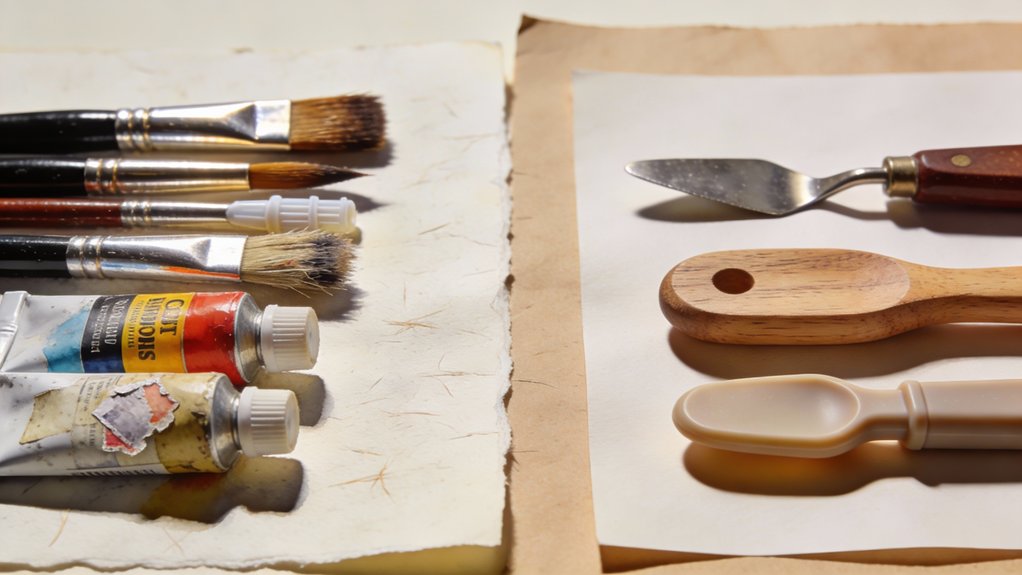
For cutting in along the ceiling line, baseboards, and corners, an angled brush is the right tool.
A two-and-a-half-inch angled brush handles most standard rooms. The angle lets you keep the tip at the edge while your hand stays comfortably behind it. Nylon or polyester bristles for latex paint; natural bristle for oil-based.
Taste is a set of repeatable choices, not a gift you either have or don’t.
Buy one good one. Purdy and Wooster both make angled brushes that hold their shape through a project and clean up without losing bristles. A cheap brush sheds into the paint and fans out at the tips, which is exactly what makes a cut-in line look rough.
This is the tool where spending another five to eight dollars makes a visible difference in the finished wall.
Painter’s tape: useful in one specific situation
Painter’s tape is for protecting surfaces you don’t want painted, particularly if your hand isn’t steady at the trim line or if you’re working around detailed molding.
It is not mandatory. Many experienced painters cut in freehand and produce cleaner lines than tape does, because tape applied without care bleeds underneath and creates a worse edge than a careful brush.
If you use tape: press the edge firmly against the trim before painting. A fingernail run along the tape edge seals it. Peel the tape back while the paint is still tacky to the touch, not once it has set. A set film bonds to the tape and tears as the tape comes away.
One roll for a standard room is typically enough.
Drop cloths: canvas, not plastic
Drop cloths protect the floor and any furniture you couldn’t move out.
Canvas drop cloths are the practical choice. They absorb paint rather than letting it puddle and slide. They lie flat rather than bunching. They’re reusable for years.
Plastic sheeting is cheaper, but paint sits on top rather than soaking in, which means spills slide around and you track them across the floor. A canvas cloth large enough to cover the work area costs about twenty dollars and pays for itself in the second room.
What you probably don’t need
- Cutting guides and edging tools almost always produce worse results than an angled brush. They leave drips and are slower than a decent freehand cut.
- Specialty roller handles with built-in reservoirs sound efficient and produce inconsistent results. A standard frame and a tray is more reliable.
- Roller extension poles are worth having if you’re rolling a ceiling or a wall over eight feet. Not necessary for standard rooms.
- Brush-cleaning combs, spinner tools, and specialty cleaning solutions: useful if you’re painting very frequently. For occasional projects, a bowl of warm water and a few minutes of hand-cleaning keeps latex brushes in good shape.
The sequence that makes the tools work
Good tools used in the wrong order still produce a mediocre result.
Cut in all edges with the angled brush before rolling. Roll toward the cut-in edge while it’s still wet, blending the brushwork into the roller texture. This is what makes the wall look continuous rather than showing the seam between cut-in and rolled sections.
One coat, let it dry fully, then the second coat the same way. Two proper coats beat three rushed ones every time.
You can make an ordinary room look considered without a designer’s budget. The tools are a small part of that. The prep, the sequence, and the patience to let each coat do its job are what the result actually depends on.